Art as a Reflection of Emotions: Exploring the Depth of Personal Expression
The Emotional Depth of Artistic Expression
Art possesses an extraordinary capacity to express feelings, thoughts, and intricate experiences, thus serving as a profound medium for personal expression and communication. Whether through vibrant paintings, evocative sculptures, or haunting melodies, art functions as a mirror reflecting the spectrum of human emotions. This exploration delves into the multifaceted ways in which art encapsulates our emotional landscapes and fosters connections among people.
Art has been a conduit of emotional expression throughout history, connecting individuals across cultures and generations. Consider the ways in which art can evoke responses:
- Color theory – Colors inherently carry emotional weight. For example, blue is often associated with calmness and tranquility, while red signifies passion and intensity. Artists like Pablo Picasso used colors strategically in his Blue Period to evoke feelings of melancholy, while Henri Matisse’s use of vibrant, bold colors in works like “The Dance” radiate joy and exuberance.
- Music – Melodies have the power to convey a range of emotions, from sorrow to unadulterated happiness. Consider Beethoven’s “Moonlight Sonata,” which evokes deep solitude and reflective sorrow, or Pharrell Williams’ “Happy,” which captures pure, infectious joy. Research shows that music can trigger the release of dopamine in the brain, reinforcing its role in emotional expression and healing.
- Literature – Through the written word, authors articulate complex emotions and navigate the intricacies of human experiences. Works such as Maya Angelou’s “I Know Why the Caged Bird Sings” not only explore themes of resilience and identity but also invite readers to empathize with profound emotional struggles. These narratives become vehicles for understanding oneself and others.
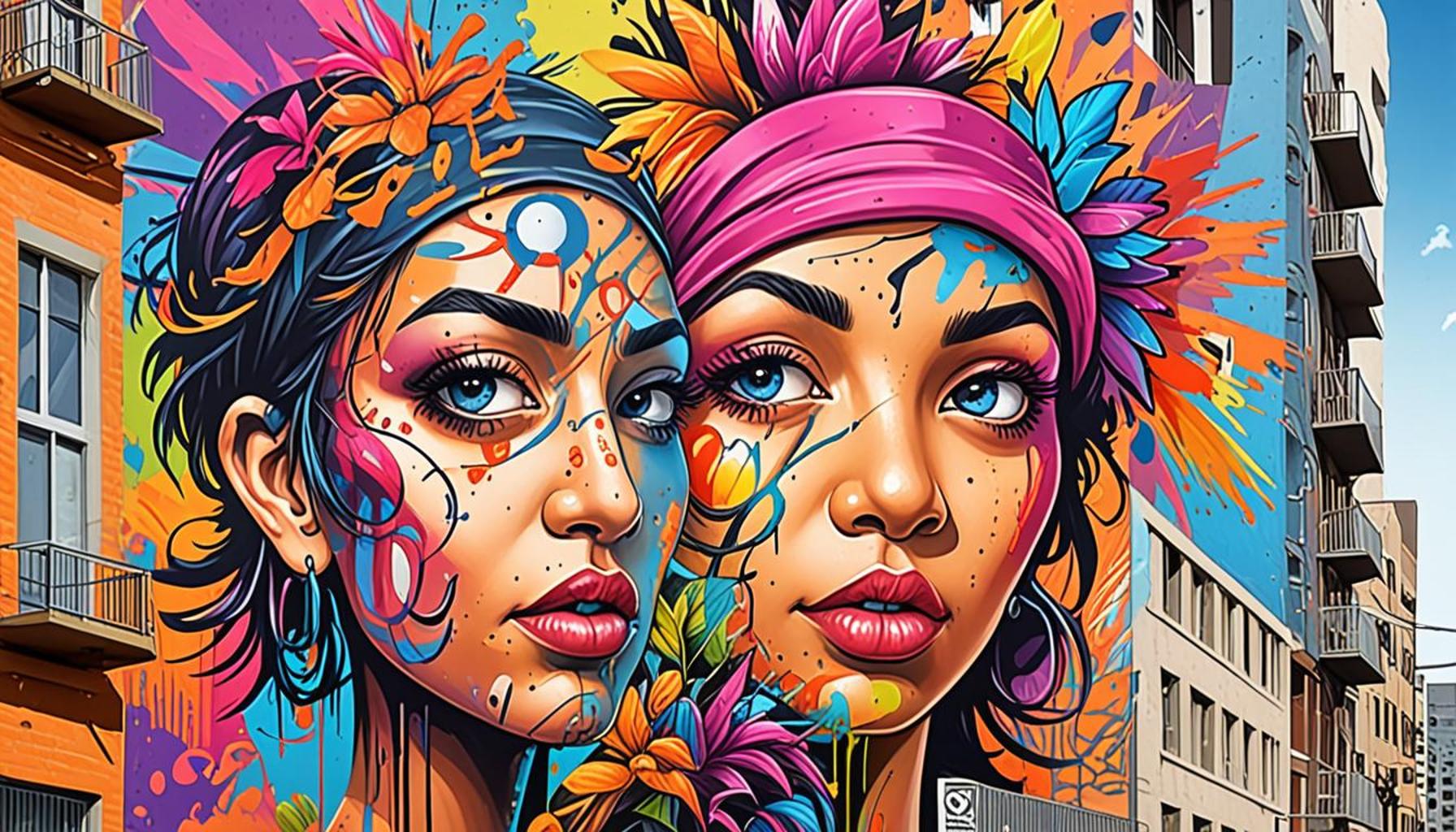
Furthermore, artistic expression transcends cultural and linguistic barriers. Take, for example, the impact of street art in urban environments; artists like Banksy communicate social and political messages that resonate widely, uniting viewers through shared sentiments. Each piece invites interpretation and reflection, appealing to a collective emotional experience that defies geographic boundaries.
The relationship between art and emotions is both intricate and enlightening. By dissecting various art forms, we not only uncover the layers of personal expression hidden in each creation but also discover universal truths about the human condition. The exploration of these connections highlights how creativity can lead to profound insights and cultivate empathy among diverse audiences.
Join us on this journey as we delve deeper into the realm of personal expression through art, illuminating the ways in which artistic endeavors intricately weave through our emotional landscapes and ultimately enrich our understanding of one another.
DIVE DEEPER: Click here to discover the impact of music on your mental health
The Diverse Mediums of Emotional Expression
Artistic expression can take many forms, each resonating emotionally with its audience in unique ways. By exploring different mediums, we gain a deeper appreciation of how artists communicate their internal landscapes and evoke connections with viewers. From visual art to performing arts, each genre serves as a distinct vehicle for emotional reflection.
Visual Art: A Canvas of Feelings
Visual art, encompassing mediums such as painting, sculpture, and photography, can baring the creator’s soul. By using symbols, shapes, and styles, artists craft visuals that speak volumes even without the use of words. Notable artists across history have explored their emotional depths through various techniques:
- Abstract Expressionism – This movement, spearheaded by artists like Jackson Pollock, emphasizes spontaneous and unconscious expression. Through chaotic brush strokes and vibrant colors, Pollock’s work invites viewers to resonate with feelings of anxiety and liberation, stirring deep emotional responses.
- Impressionism – Artists like Claude Monet captivated audiences with their ability to capture fleeting moments and emotions through light and color. Monet’s “Water Lilies” series communicates tranquility and introspection, prompting viewers to connect with the serenity of nature.
- Photography – Contemporary photographers like Annie Leibovitz use visual storytelling to portray vulnerability and strength, encapsulating emotions in a single frame. The power of photography often lies in its ability to convey candid moments that resonate on a personal level with viewers.
The Power of Performing Arts
Performing arts, including theater, dance, and music, possess a dynamic capacity to portray emotions through movement and sound. These art forms harness the energy of live performance, engaging audiences in an immersive emotional experience. For instance:
- Theater – Playwrights such as Arthur Miller in “Death of a Salesman” explore complex emotions like despair and societal pressure, challenging audiences to grapple with their own realities.
- Dance – Choreographers like Martha Graham express the depths of human emotion through movement, using the human body to communicate joy, sorrow, and everything in between. Dance can transcend language barriers, illustrating universal emotions that resonate across cultural divides.
- Music – Beyond its inherent power to evoke emotions, music is a communal experience. The collaborative nature of music creation allows for shared emotional journeys, inviting listeners to reflect on their own experiences while resonating with the artist’s intent.
By examining the emotional undercurrents within these varied forms of art, we unveil the potential for personal growth and understanding that they offer. Each medium becomes a conduit for individual expression, portraying emotions that we often struggle to articulate. As we unravel this complex tapestry of artistic endeavors, we gain insights into how the act of creating and experiencing art fosters connections—both to ourselves and to one another.
Art as a Reflection of Emotions: Exploring the Depth of Personal Expression
Art, in its myriad forms, serves as a powerful medium of personal expression, revealing the intricate tapestry of human emotions. Through paintings, sculptures, music, and writing, artists often channel their feelings, transforming them into creations that resonate deeply with others. This dialogue between creator and audience is not merely a transaction; it represents an intimate sharing of emotional truths, transcending the boundaries of language and culture.
The connection between art and emotions is supported by psychological research, highlighting how certain colors, shapes, and forms evoke distinct feelings. For instance, warm colors like red might elicit passion or anger, while cooler tones such as blue can create a sense of calmness and tranquility. Artists intentionally use these elements to guide viewers through their emotional landscapes, inviting them to feel and reflect on their own experiences. This connection fosters empathy, as viewers find parallels between the artist’s experiences and their own, enriching their understanding of the complexities of human emotion.
| Aspect of Emotional Expression | Description |
|---|---|
| Visual Art | Utilizes colors and forms to evoke and express emotions. |
| Music | Harnesses melody and rhythm to convey profound emotional experiences. |
| Literature | Crafts narratives that explore the depths of human emotions through characters and plots. |
| Dance | Uses movement to express feelings and tell stories, often in a non-verbal manner. |
As we continue to explore the theme of art as a reflection of emotions, it is essential to appreciate how these various forms intertwine and build upon each other. Just as an artist may draw inspiration from personal experiences, viewers can reflect on their emotional journeys through the experience of engaging with art. Each artistic expression holds the potential to unlock deeper understanding, self-reflection, and connection within the vast realm of human emotion. By embracing art as a vital form of personal expression, society recognizes its power to shape emotional landscapes and foster profound human connections.
DIVE DEEPER: Click here to discover more
The Emotional Depth in Literary Arts
While visual and performing arts are often at the forefront when discussing emotional expression, the world of literature offers a profound and intricate tapestry of feelings that can resonate deeply with readers. Through the power of words and storytelling, literary artists craft narratives that bring forth the full spectrum of human emotions, enabling readers to connect with their own experiences and the experiences of others.
Poetry: The Language of the Heart
Poetry stands as one of the most evocative forms of literary art, often capturing intense emotions within the confines of a few lines. Poets like Maya Angelou and Sylvia Plath weave narratives that explore themes of identity, struggle, and transcendence. The use of metaphor, rhythm, and imagery in poetry invites readers to delve into complex feelings, often grappling with themes of love, loss, and resilience.
- Imagery and Symbolism – In Angelou’s famous poem “Still I Rise,” the imagery of rising above adversity conveys a powerful message of hope and strength, resonating with individuals who have faced challenges.
- Raw Emotion – Plath’s poignant verses in “Daddy” reveal the tumultuous emotions surrounding familial relationships, illustrating the cathartic power of self-expression through written word.
Fiction: Journeys of Emotion
Fiction offers another avenue for emotional exploration, presenting complex characters and situations that allow readers to vicariously experience a range of emotions. Renowned authors like Toni Morrison and John Steinbeck utilize rich narratives to highlight societal issues while anchoring their stories in deeply personal experiences.
- Character Development – In Morrison’s “Beloved,” the haunting themes of memory and trauma lend themselves to a profound emotional journey, inviting readers to witness the intricacies of loss and the struggle for self-identity.
- Social Commentary – Steinbeck’s “The Grapes of Wrath” focuses on the plight of the disenfranchised during the Great Depression, stirring feelings of empathy and anger within readers as they confront social injustice through the lens of personal stories.
The Impact of Non-Fiction
Non-fiction literature also serves as a powerful medium for emotional expression, particularly through memoirs and personal essays. Authors such as Ta-Nehisi Coates and Elizabeth Gilbert delve into their personal narratives, revealing their emotions in a way that connects readers on a human level. Their works often provoke introspection and discussion surrounding personal and societal issues.
- Memoir and Vulnerability – In “Between the World and Me,” Coates addresses the realities of being a Black man in America, using his own experiences to evoke compelling emotions around race, identity, and societal structures, prompting readers to reflect on their own beliefs.
- Personal Reflection – Gilbert’s “Eat, Pray, Love” explores the quest for self-discovery following personal turmoil, striking chords with readers seeking purpose and meaning in their own lives.
By engaging with literary arts, readers gain access to a boundless reservoir of emotions that mirror their own. The written word serves not only as a means of entertainment but as a catalyst for personal reflection and communal understanding, allowing individuals to navigate the complexities of their emotional landscapes through relatable narratives. As we journey through these literary works, we understand that the essence of art lies in its ability to mirror the human experience and foster emotional connections among diverse audiences.
DISCOVER MORE: Click here to delve deeper
Conclusion
In summation, art undeniably serves as a profound mirror to our emotions, offering insights into the depths of personal expression. Whether through the vibrant strokes of a painting, the poignant notes of a song, or the impactful words of a poem or prose, each artistic form invites audiences into a shared dialogue of feelings. As we explored the myriad ways in which art reflects the complexities of human emotion, it became clear that these expressive mediums not only resonate on an individual level but also foster a sense of community and understanding among diverse groups.
Art encourages introspection, allowing individuals to confront their own emotional landscapes while also nurturing empathy toward the experiences of others. As seen in the works of influential artists and writers, the power of expression transforms personal struggles into universal themes, creating connections that transcend cultural and temporal boundaries. The artistic realm serves as a sanctuary for emotional exploration, where vulnerability becomes strength and self-discovery is celebrated.
As we continue to engage with various forms of art, it is essential to recognize its role as a vehicle for emotional dialogue. By appreciating the intricate relationship between art and emotions, we can deepen our understanding of not just ourselves but also the world around us. Ultimately, the exploration of personal expression through art remains a vital journey of discovery, inviting us to embrace the full spectrum of human experience and cultivate a more profound connection with each other.