The Role of Art in Building Communities: Collective Expression and Collaboration
Art as a Catalyst for Community Connection
In many communities, art emerges as a powerful catalyst for connection, fostering both individual expression and collective identity. The diverse manifestations of art—ranging from local galleries and street art to music festivals and theater productions—provide a rich tapestry for residents to engage with one another. These artistic expressions not only beautify neighborhoods but also serve as a platform where voices can be heard and cultures can be celebrated. The result is a strengthened sense of identity and belonging among community members.
Cultural Preservation
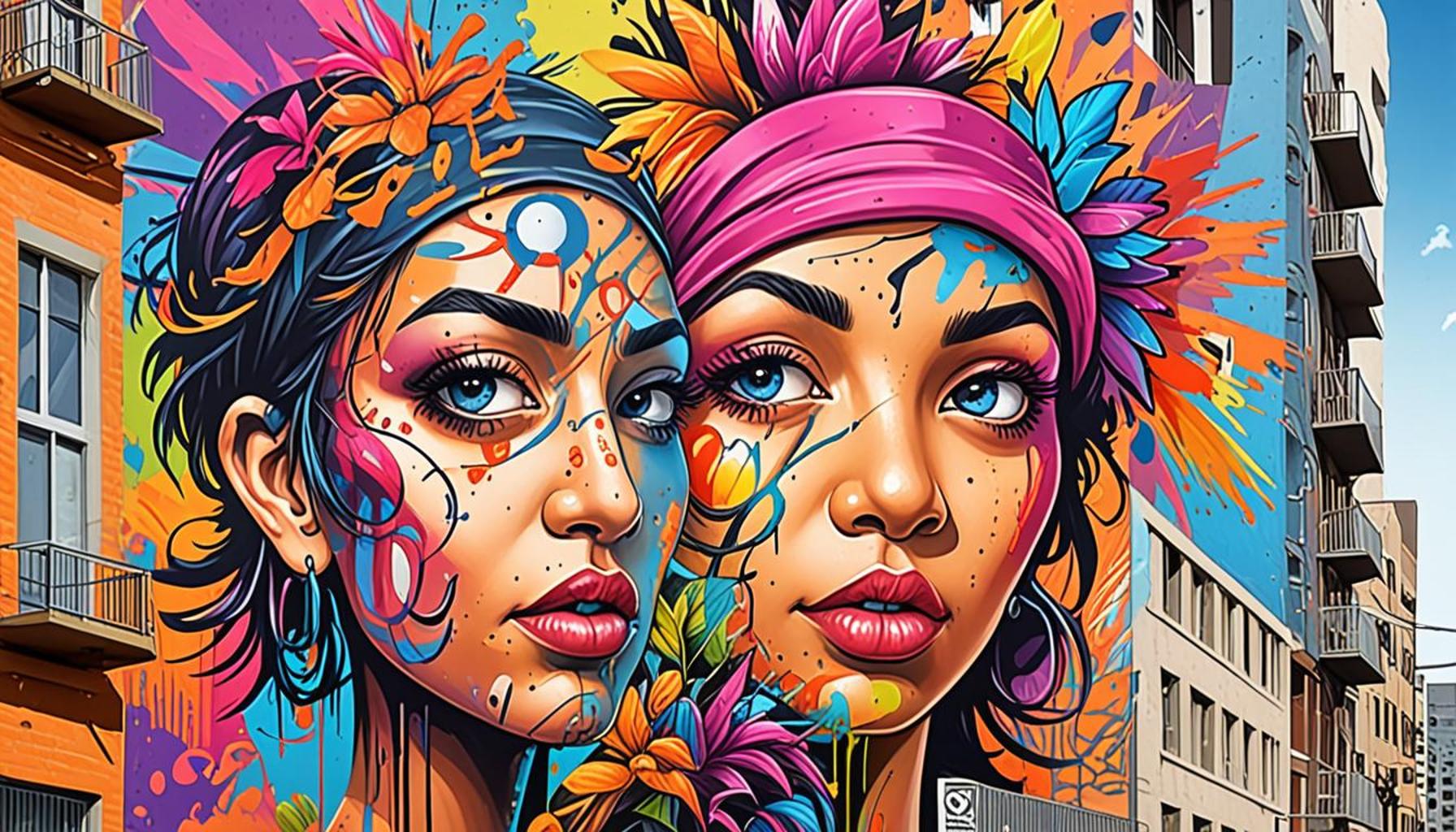
Cultural Preservation through art is crucial in maintaining the unique historical narratives of local communities. For instance, Native American art forms such as beadwork and pottery are not just beautiful artifacts; they narrate stories and traditions passed down through generations. Similarly, Hispanic communities celebrate their heritage through murals that depict important cultural figures and events, instilling pride and awareness in local residents. Festivals, such as the Smithsonian Folklife Festival, highlight these diverse traditions, inviting collaboration from various cultural groups and enriching the community’s cultural fabric.
Social Cohesion
Art can cultivate Social Cohesion by bringing together people from different backgrounds, facilitating interactions that might not occur otherwise. Initiatives like community art projects serve as melting pots of ideas and experiences. One notable example is the “Art of the Streets” project in Los Angeles, where artists and residents collaborated to create murals representing the community’s shared struggles and successes. Such initiatives break down barriers, fostering understanding and dialogue among residents, ultimately resulting in tighter-knit communities.
Economic Development
Beyond social platforms, art also catalyzes Economic Development. Cities harness the allure of arts to stimulate local economies by attracting tourists and supporting small businesses. For instance, cities like Asheville, North Carolina, have witnessed a boom in local entrepreneurship thanks to their vibrant arts scene. Annual events, such as the Asheville Art in the Park, draw visitors from across the country, generating substantial revenue for local artists and vendors alike. This economic activity not only benefits businesses but helps to maintain and enhance neighborhood aesthetics, creating vibrant urban environments that people want to live in.
As we examine the role of art in building communities, it becomes evident that artistic initiatives not only express the identity of a community but also serve as a foundation for engagement, collaboration, and development. These endeavors ignite conversations, inspire action, and promote inclusivity, ultimately shaping a brighter and more connected future. Understanding this dynamic allows us to appreciate the profound impact of art on community building and encourages exploration into further project opportunities and local artistic collaborations.
DISCOVER MORE: Click here to learn about the synergy of musical skills and teamwork
Art as a Foundation for Collective Identity
Art plays an indispensable role in forging a collective identity for communities, transcending individual experiences to embody the shared values, struggles, and aspirations of a group. By reflecting the concerns and triumphs of local residents, art not only documents community narratives but inspires future generations. As societies grapple with rapid changes due to urbanization and globalization, art emerges as a grounding force, connecting individuals through common themes and experiences.
Community Engagement Through Collaborative Projects
Collaboration is a vital element of community-building, and art offers a unique framework for collective engagement. Collaborative art projects invite participants to contribute their ideas and skills, creating works that resonate deeply with the community. These projects can take many forms:
- Community murals: Vast canvases that can transform public spaces and become an integral part of the neighborhood.
- Theater performances: Local productions that highlight stories native to the area, enhancing cultural understanding and empathy.
- Art workshops: Events that bring residents together, encouraging creativity and the sharing of techniques across diverse demographics.
- Public installations: Sculptures and other artworks that invite dialogue and contribute to local aesthetics.
For example, the “Detroit Mural Project” has transformed once-blighted neighborhoods into vibrant palettes of color reflecting the collective spirit of the city. By engaging residents, artists, and organizations, these initiatives not only beautify urban landscapes but also promote dialogue and a sense of ownership over community spaces.
Encouraging Civic Participation
Art fosters a heightened sense of civic participation, encouraging individuals to become actively involved in shaping their communities. Events such as art fairs and exhibitions create opportunities for local artists to showcase their work while providing platforms for discussing pressing community issues. Through artistic expression, residents can articulate their perspectives and rally support for social causes. The resulting public discourse can lead to increased engagement in local governance and initiatives aimed at community improvement.
For instance, the “Art for Justice” initiative seeks to raise awareness around social issues by merging creativity with activism. By inspiring community members to voice their concerns through art, such initiatives galvanize support and promote social change. In this manner, art serves not only as a medium for expression but as a tool for empowerment and participation in the democratic process.
Building Empathy and Understanding
Art has the remarkable ability to evoke empathy and understanding among diverse groups, countering isolation fueled by societal divides. Exposure to different artistic expressions allows individuals to step into the shoes of others, fostering connections that transcend their differences. For example, art exhibitions featuring immigrant artists can illuminate the struggles and triumphs of displaced communities, promoting cross-cultural dialogue and deeper human connection.
In communities facing divisive issues, initiating dialogue through art can be pivotal in breaking down stereotypes and fostering appreciation for diversity, thereby contributing to a more inclusive environment. Understanding these dynamics reveals the potential art holds as a transformative force in not only reflecting but also redirecting community narratives towards unity and collaboration.
The Power of Collaborative Art Initiatives
Art serves as a powerful medium for collective expression, helping to forge connections within communities. Initiatives such as community murals, collective art projects, or public performances foster a sense of belonging among participants. People from diverse backgrounds come together to create something meaningful, breaking down barriers that often separate individuals. The collaborative process encourages dialogue and understanding, emphasizing shared experiences and histories. An excellent example of this can be seen in community mural projects. These collaborative efforts often involve artists and local residents working side by side to design and paint vibrant public art, reflecting the stories and culture of the community. By engaging in such projects, individuals not only enhance their personal skill sets but also contribute to the beautification and cultural narrative of their neighborhood.Moreover, collaborative arts programs have been shown to improve mental health and well-being. Engaging in creative activities allows individuals to express their emotions and thoughts in a supportive environment. Studies indicate that communities participating in collaborative art projects report higher levels of satisfaction and resilience, underscoring the transformative impact of collective art-making.Furthermore, art plays a crucial role in fostering social change and advocacy. Through powerful visual storytelling, communities can address pressing issues such as homelessness, inequality, and social justice. Artists often serve as advocates, using their craft to raise awareness and inspire action, thus unifying community members around common goals.As we explore the relationship between art and community, it becomes evident that such collaboration is not merely a means of self-expression but also a catalyst for social cohesion and empowerment. The more that individuals come together to engage in collective artistic endeavors, the stronger and more resilient their communities become, solidifying the essential role of art in driving positive change.
| Category | Benefits |
|---|---|
| Community Engagement | Enhances connections among residents through shared creative experiences. |
| Social Change Advocacy | Raises awareness about community issues and inspires collective action for addressing them. |
DISCOVER MORE: Click here to dive deeper
Art as a Catalyst for Social Change
Art has emerged as a powerful catalyst for social change, prompting communities to confront and address pressing societal issues. Artists often serve as both mirrors and voices for the communities they inhabit, using their platforms to raise awareness about topics such as inequality, environmental sustainability, and social justice. Through provocative works and initiatives, artists can ignite conversations that challenge the status quo and inspire collective action.
Art as a Medium for Advocacy
In recent years, there has been a notable increase in the use of art for advocacy. Nonprofit organizations and activists have harnessed artistic expressions to address critical social issues, appealing to emotions and instigating dialogue among community members. For instance, the “Barrier Walls Project” highlights the stories of marginalized communities through visual storytelling. By inviting urban artists and activists to create murals focusing on themes of resilience and justice, the project emphasizes solidarity and awareness.
Furthermore, campaigns like “The People’s Climate March” utilize art installations to communicate urgent issues concerning climate change. These creative expressions provoke thought and action, urging citizens to reflect on their roles in addressing global challenges while simultaneously strengthening communal bonds in the process.
Fostering Intergenerational Connections
Art fosters meaningful intergenerational connections, bridging the gap between older and younger generations. By bringing diverse age groups together in collaborative artistic endeavors, communities can create shared experiences that honor tradition while inspiring innovation. Storytelling, whether through visual arts, dance, or theater, provides a conduit for wisdom exchange and the transfer of cultural heritage.
Programs like “Elders Share the Arts” exemplify this intergenerational engagement by offering workshops where senior citizens share their artistic skills and life experiences with younger participants. Such initiatives not only preserve artistic traditions but also nurture empathy and mutual understanding across age barriers, creating a vibrant tapestry of community interactions.
Art and Economic Revitalization
Communities are increasingly recognizing the potential of art to stimulate economic revitalization. Creative districts and art hubs are being established as focal points for attracting tourism and investment. Cities such as Asheville, North Carolina, have experienced a renaissance driven by the integration of art into urban planning. By supporting local artists and fostering vibrant art scenes, municipalities can create jobs and enhance community pride.
Furthermore, experiential art-driven events, such as public art festivals and local markets, not only showcase artistic talent but also provide a platform for entrepreneurs and small businesses to thrive. This economic interplay reinforces the importance of art as a viable tool for fostering growth, enhancing the quality of life, and encouraging community participation.
Digital Art and the Expansion of Community Boundaries
With the advent of technology, digital art has expanded the boundaries of community involvement. Online platforms allow artists and creators from various backgrounds to share their work, fostering connections that transcend geographical limitations. Virtual reality experiences, social media art campaigns, and digital exhibitions democratize artistic expression and encourage global collaboration. This has proven especially beneficial during challenging times, such as the COVID-19 pandemic, where digital art provided a means for continued expression and connection.
Initiatives like “#ArtWithImpact” leverage digital spaces to unite artists, activists, and audiences around shared causes, demonstrating that even in a physically distant world, the importance of art in community building can flourish.
DIVE DEEPER: Click here to discover the healing power of art
The Power of Art in Community Building
In conclusion, the role of art in building communities is undeniably profound, encompassing elements of collective expression, advocacy, and economic revitalization. Art not only serves as a medium through which individuals voice their experiences and concerns but also acts as a bridge that connects diverse populations. By fostering intergenerational connections, art preserves cultural heritage while encouraging innovation, creating a rich tapestry of community identity.
The integration of art in community initiatives stimulates dialogue around important social issues, encouraging residents to engage in collaboration for a greater good. Whether through traditional public art projects or the burgeoning realm of digital art, communities can harness creativity to spark meaningful change. This evolution not only enhances the aesthetic landscape but creates a sense of belonging that strengthens community ties.
Furthermore, the economic benefits of art-driven endeavors cannot be overlooked, as they promote local businesses and generate jobs, contributing to overall community vitality. As cities like Asheville show, revitalizing urban spaces through art cultivates local pride and engagement.
Ultimately, the interplay between art and community underscores the importance of creative expression as a vital tool for fostering connection and collaboration. As we continue to explore the possibilities that art brings to collective experiences, it is clear that investing in artistic initiatives will yield enduring benefits for society. The journey of building resilient communities through art is ongoing and worth exploring by individuals and organizations alike, inviting a future where creativity flourishes and social landscapes transform.