Master the Art of Intentional Minimalist Living at Home
In a world saturated with consumerism, the concept of minimalism offers a refreshing antidote. Embracing intentionality in our living spaces encourages us not only to declutter but to curate an environment that reflects our true selves. By understanding the importance of intention, we can transform our homes into serene sanctuaries that foster creativity, productivity, and peace.
The relevance of this philosophy lies in its ability to streamline our lives, making room for what truly matters. By examining our choices and possessions, we pave the way for a more fulfilling existence, free from the distractions and chaos of excess. This article will explore the essence of intentional minimalist living through a curated list of the Top 5 Practices that can elevate your home environment.
- Clarify Your Values: Understand what truly matters to you.
- Evaluate Your Space: Assess each area for its purpose and function.
- Curate Intentionally: Choose items that serve a purpose or bring you joy.
- Maintain a Routine: Regularly revisit and refine your space.
- Mindful Consumption: Adopt a lifestyle that prioritizes quality over quantity.
Join us on this journey towards intentional living, discovering how each practice can lead to a more harmonious home and a more focused life.
Top 5 Importance of Intention in Creating a Minimalist Space at Home
Creating a minimalist space in your home is more than just the act of decluttering; it is a thoughtful lifestyle choice laden with purpose and mindfulness. The intention behind each decision plays a crucial role in shaping an environment that is both functional and peaceful. This approach does not merely aim to reduce physical items but seeks to foster spaces that reflect purpose and harmony. In this article, we delve into the top five reasons why intention matters when establishing a minimalist atmosphere, encouraging readers to explore and embrace this transformative lifestyle.
5. Enhances Mindfulness
At its core, minimalism encourages mindfulness, a practice that focuses on being present in the moment. By intentionally selecting what items to keep in your space, you cultivate a deeper connection with the objects around you. This is not merely a process of elimination but an exercise in reflection on what truly adds value to your life, promoting a sense of awareness and reducing stress.
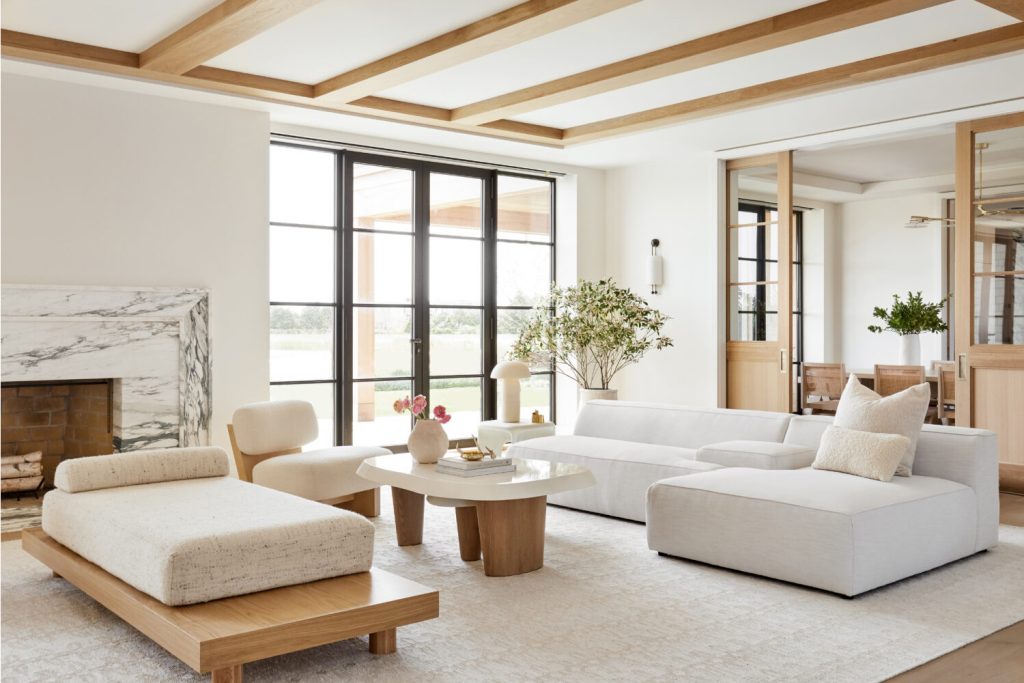
Mindfulness in minimalism can transform daily routines into opportunities for introspection. Consider these strategies to enhance mindfulness within your home:
- Take time to assess each item in your home and its significance, asking yourself whether it enhances your life experience.
- Focus on surrounding yourself exclusively with items that serve a purpose or bring joy, thereby creating a meaningful environment.
- Engage in regular mindfulness activities, such as meditation, to cultivate a more intentional mindset, creating a strong correlation between your mental clarity and your physical space.
This focus not only aids in creating a serene environment but also beckons a greater appreciation for the things you choose to surround yourself with, which is an essential aspect of sustainable minimalism.
4. Creates a Focused Environment
When your space is intentionally curated, it fosters a focused environment ideal for productivity and creativity. Excess clutter can serve as a significant distraction, leading you to feel overwhelmed and less capable of concentrating on tasks. Intentional minimalism works to refine your environment to align with your personal and professional goals.
To ensure that your environment supports your objectives, consider implementing the following strategies:
- Identify your primary activities—whether they are work, leisure, or creative pursuits—and design areas specifically for those purposes.
- Limit the number of decorative items that don’t serve a functional role, ensuring that each item has a place and purpose.
- Regularly evaluate and refresh your workspace to maintain a distraction-free zone that better supports your focus and ambition.
A home arranged for focus not only aids in achieving daily tasks but also nurtures long-term aspirations, proving that intention in minimalism extends far beyond aesthetic simplicity.
3. Encourages Sustainable Choices
Intentional living goes hand in hand with sustainability. By understanding the impact of your choices, you can create a minimalist environment that genuinely reflects your values. This involves an advocacy for quality over quantity and making conscious buying decisions that contribute to the health of our planet.
Your home can serve as a testament to sustainability by incorporating the following measures:
- Invest in durable, high-quality items, thus reducing the need for frequent replacements and minimizing waste.
- Opt for eco-friendly materials, such as recycled or biodegradable options, whenever possible.
- Support local artisans and businesses that align with your ethical values, further embedding sustainability within your lifestyle.
By choosing these sustainable alternatives, your intentional decisions help reduce waste, encouraging others to consider their environmental footprint while crafting their minimalistic homes.
2. Reflects Personal Identity
Minimalism does not equate to a lack of variety or personality. Rather, it allows for a clearer expression of your personal identity. The intentions behind your design choices express who you are, providing a sense of comfort and belonging, which can turn any space into a sanctuary.
Thoughtfully incorporating elements that resonate with your style, interests, and values can personalize your environment. To ensure your space reflects your personality, consider these suggestions:
- Choose color palettes and materials that evoke peace and comfort, reinforcing your sense of self in your environment.
- Incorporate meaningful art or photographs that tell your individual story, allowing your uniqueness to shine through.
- Reflect on your lifestyle and needs by creating a layout that serves you best, making your space an extension of yourself.
Investing intention into your design ensures your home evolves into a space that represents your individuality, ultimately enhancing your overall well-being and satisfaction.
1. Promotes Emotional Well-Being
Above all, the most significant importance of intention in creating a minimalist space at home is its profound impact on emotional well-being. A well-curated environment holds the power to cultivate positive emotions, reduce anxiety, and enhance the overall quality of life. By being intentional about your surroundings, you build a haven that nurtures relaxation, joy, and comfort.
To truly harness the benefits of a minimalist home for your emotional well-being, undertake these practices:
- Incorporate natural light and plants, which can uplift your mood and evoke a sense of tranquility and connection with nature.
- Designate areas specifically for relaxation, like reading nooks or meditation corners, providing structured spaces for peaceful moments.
- Maintain an organized and clutter-free home, a strategy that reduces mental strain and creates an environment conducive to mental clarity and serenity.
A focus on intentional design and thoughtful space planning in your minimalist home encourages an atmosphere of calm and order, directly supporting your emotional health and overall sense of peace.
In conclusion, the intention behind crafting a minimalist space is multifaceted, encompassing mindfulness, focus, sustainability, personal expression, and emotional health. As you evaluate your spaces with a fresh perspective, consider how your choices align not just with your immediate needs but also with a broader vision for your lifestyle and well-being. Embracing minimalism with intention can be a powerful step toward a more meaningful and fulfilled life.
| Category | Details |
|---|---|
| Intentional Design | Each element in a minimalist space should serve a purpose, reducing clutter and enhancing functionality. |
| Mindful Living | A minimalist approach encourages awareness of possessions, enhancing appreciation for what truly matters. |
| Enhanced Focus | A clean and intentional space minimizes distractions, fostering improved concentration and productivity. |
| Emotional Wellness | Creating intentional spaces can lead to reduced stress and mental clutter, contributing to overall emotional health. |
The concept of designing an intentional space is central to the practice of minimalism. Each item in your home should not only fill a functional role but also reflect your *intent* as a homeowner and individual. By consciously selecting what to include in your living environment, you create a sanctuary that breathes clarity and purpose. This intentional design minimizes excess and enhances the significance of each chosen item, allowing you to appreciate their beauty and utility more deeply.One significant aspect of minimalist design is *mindful living*. This practice challenges us to reflect on our possessions and their singular relevance in our lives. By embracing a mindset of mindfulness, we learn to value our belongings rather than accumulating them indiscriminately. As a result, the clutter and chaos prevalent in many homes are replaced with an aesthetic that evokes tranquility and promotes *mental clarity*.In addition to reducing distractions, a minimalist space positively impacts our *focus and productivity*. By stripping away the unnecessary, what remains allows for sharper concentration. This can be particularly beneficial in spaces where work occurs, as a clean environment can facilitate deeper engagement with tasks, leading to higher-quality outcomes.Furthermore, the intentionality behind creating a minimalist home can profoundly affect *emotional wellness*. The environment we inhabit plays a crucial role in our mental health. By reducing visual clutter and eliminating items that do not serve a purpose, we cultivate an atmosphere of calmness. This can lead to decreased stress levels and greater emotional balance, contributing to a peaceful internal state that many strive to achieve.In exploring these elements of intentionality in minimalist design, one begins to understand how profoundly our surroundings influence our well-being and daily experiences, urging a deeper investigation into purposeful living.
Frequently Asked Questions about the Importance of Intention in Creating a Minimalist Home Space
What does it mean to have intention in creating a minimalist space?
Having intention in creating a minimalist space involves being purposeful and deliberate in every aspect of the design and setup. It means choosing elements that serve a function or foster a specific feeling, rather than just following trends. The focus is on quality over quantity, where each item is carefully selected to support the lifestyle and environment one aims to cultivate.
How can intention influence the effectiveness of a minimalist space?
Intention can significantly influence the effectiveness of a minimalist space by ensuring that the environment is not only aesthetically pleasing but also truly functional. When one sets a clear purpose for each area, it leads to a space that aligns with personal goals and needs. This tailored approach enhances the utility and harmony of the home, making it more than just a visually appealing setting.
Can intention impact emotional well-being in a minimalist home?
Yes, intention can profoundly impact emotional well-being in a minimalist home. By creating spaces that resonate with personal values and desires, individuals often find greater satisfaction and peace in their surroundings. A minimalist environment, intentionally curated, can reduce mental clutter and foster a sense of clarity and calm. This supports mental health and wellbeing, turning one’s home into a sanctuary for relaxation and reflection.
What are some tips to start incorporating intention into a minimalist space?
To start incorporating intention into a minimalist space, begin by evaluating your current environment and identifying areas where clutter prevails. Ask yourself what each item’s purpose is and if it aligns with your lifestyle. Embrace simplicity by focusing on multifunctional pieces and natural materials. Keep in mind the importance of personal relevance and functionality over mere decoration, creating a space that is genuinely reflective of who you are.
Conclusion
The journey towards creating a minimalist space in your home is grounded in the power of intention. Throughout this article, we have delved into the nuances that make intentional living a cornerstone of the minimalist approach. The focus on conscious decision-making ensures that every item in your space serves a purpose, aligning with your personal values and needs.
The impact of this intentionality can be witnessed across various aspects of life. Clutter not only physically encroaches upon your space but also mentally weighs you down. By prioritizing what truly matters, minimalism provides a refreshing perspective on personal organization. This thoughtful process fosters a sense of tranquility, allowing you to reside in a space that nurtures creativity and peace.
Main Takeaways
- Intentionality is key: Every object should resonate with your core beliefs and serve a meaningful purpose.
- Decluttering has dual benefits: It simplifies your physical environment and enhances mental clarity.
- Minimalism promotes sustainability: A considered approach minimizes waste and supports eco-friendly practices.
- Embrace adaptability: A minimalist lifestyle is flexible and evolves with you over time.
- Focus on quality over quantity: Invest in fewer, higher-quality items that offer durability and satisfaction.
Ultimately, the intentional creation of a minimalist space is more than an aesthetic choice; it’s a life strategy. It encourages a mindful existence, reduces stress, and allows for a deeper connection with one’s environment. As you embark on your minimalist journey, remember to remain intentional at each step. This approach not only helps in personal organization but also leads to a more fulfilling, sustainable lifestyle. Dive deeper into the principles of minimalism and explore how they can transform your home into a sanctuary of purposeful living.