Minimalist Strategies to Streamline and Simplify Home Tasks
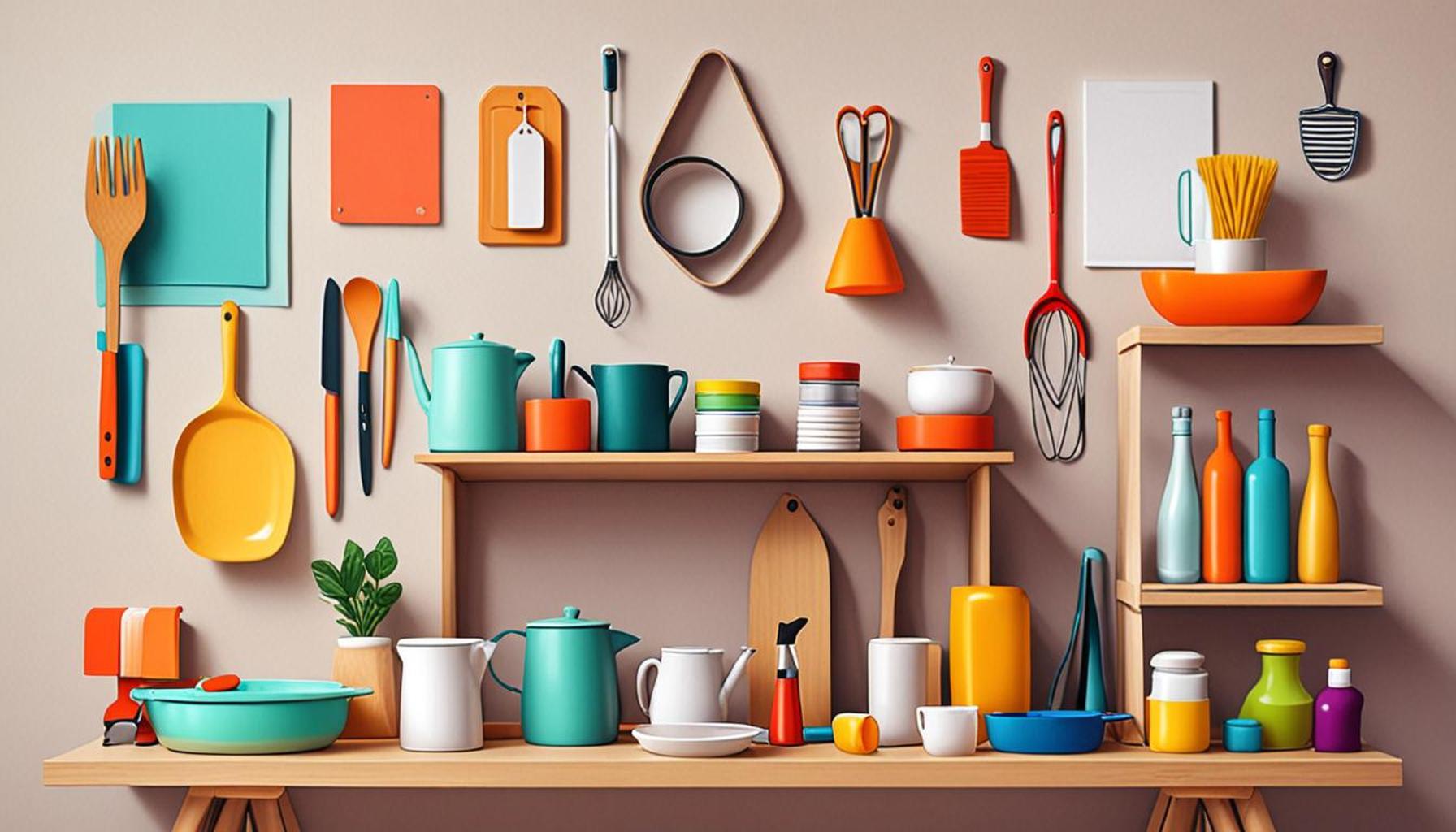
Embracing a Clutter-Free Lifestyle
In a world overwhelmed by chaotic schedules and physical clutter, the concept of minimalism has emerged as a beacon of simplicity and efficiency. By adopting minimalist strategies, individuals can create an organized and tranquil living space, which significantly contributes to mental clarity and productivity. This approach emphasizes valuing quality over quantity, leading to a more intentional life.
The Power of Minimalism in Daily Routines
Household tasks can often feel daunting, especially when accompanied by the distractions of excess belongings and disorganization. Implementing minimalist practices not only helps to streamline home tasks but also fosters a sense of peace and harmony in our daily lives. By focusing on essential items and routines, you can reclaim time and energy.
What to Expect
This article will guide you through the Top 5 minimalist strategies that can transform your home management. From decluttering techniques to efficient workflows, each strategy aims to simplify your approach to daily chores. Prepare to explore effective methods that can lead to a more organized and enjoyable home experience.
Top 5 Minimalism Strategies for Organizing and Streamlining Household Tasks
In today’s rapidly moving digital world, where we are bombarded with endless information and distractions, the concept of minimalism offers a breath of fresh air. Particularly in managing household tasks, minimalism can effectively transform chaos into simplicity and order. It advocates for a lifestyle that favors quality over quantity, not just in material possessions but also in our daily routines. This article explores five compelling minimalism strategies that can enhance the way you organize and manage your household. From creating harmonious spaces to refining your daily rituals, these approaches promise to streamline your home life, granting you more energy and peace of mind.
5. Create a Daily Routine
A well-structured daily routine is a pillar of minimalist living, especially when managing household tasks. By strategically organizing your day, you reduce the mental burden of constant decision-making and create a sense of stability and predictability.
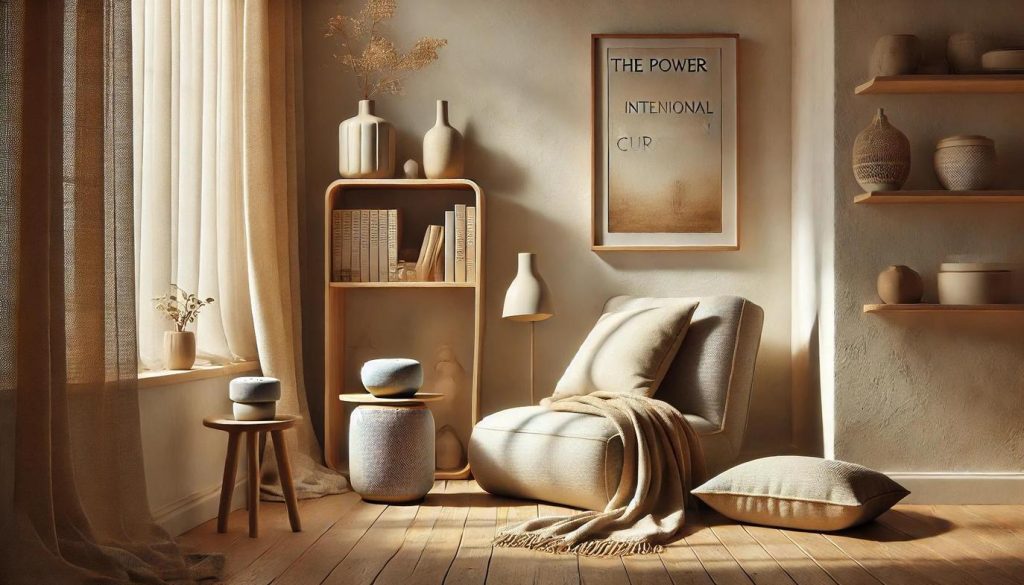
Here are some key elements to building an effective daily routine:
- Time Blocking: This involves allocating specific times for various activities such as cooking, cleaning, and spending time with family. By dedicating defined slots, you significantly reduce the time spent switching tasks or deciding what to do next.
- Set Reminders: Use digital tools like smartphones or digital calendars to set reminders that keep you on track and accountable. These prompts help keep the day’s flow seamless, ensuring tasks are not overlooked.
- Prioritize Tasks: Start your day by identifying the most important tasks and slotting them during the time of day when you’re most energized, whether it’s the quiet dawn hours or the bustling afternoon.
This approach creates a consistent rhythm that minimizes distractions and maximizes productivity, leaving you less overwhelmed and more focused on enjoying life’s simple pleasures.
4. Declutter Regularly
Regular decluttering is a hallmark of minimalism that profoundly impacts the efficiency of household management. A clutter-free environment not only simplifies maintenance but enhances mental clarity, making tasks less daunting.
Maintain a decluttered home with these practices:
- Regular Assessments: Set a monthly date to evaluate your possessions. Ask yourself if each item is necessary or brings joy. Removing excess items reduces your cleaning and organizing workload.
- One In, One Out: Implement a policy where bringing in a new item results in removing an old one. This balance aids in controlling the accumulation of belongings.
- Donation Drives: Regularly donating items that no longer serve you not only keeps your home in check but strengthens community ties and supports charitable work.
By fostering a leaner environment, you not only gain a clearer physical space but also a liberated mental state, enhancing your ability to tackle household responsibilities with zest and clarity.
3. Simplify the Decision-Making Process
The paradox of choice can lead to decision fatigue, often resulting in procrastination. Minimalism proposes simplifying the decision-making process, thus fostering a more effective and focused approach to household tasks.
Implement these methods for streamlined decision-making:
- Pre-Plan Meals: Dedicate time weekly to plan meals and compile shopping lists. This foresight eradicates the daily hassle of “What’s for dinner?” and helps you avoid last-minute grocery runs.
- Set a Cleaning Schedule: By assigning specific days to chores, you remove the daily conundrum of what area needs attention, leading to a cleaner and more orderly home.
- Limit Options: Reduce the variety of cleaning products or organizing tools. By narrowing your choices, you reduce indecision and concentrate better on the tasks at hand.
With fewer decisions to rack your brain, you can channel your energy into action rather than getting caught in an endless cycle of pondering what to tackle next.
2. Utilize Smart Storage Solutions
Effective storage solutions are integral to maintaining an organized and clutter-free home, aligning perfectly with minimalist principles. Smart storage strategies not only provide aesthetic appeal but also enhance functionality and ease of access.
Consider integrating these storage methods in your home:
- Vertical Storage: Capitalize on vertical spaces by utilizing wall-mounted shelves, hooks, and organizers, freeing up valuable floor space in the process.
- Multi-Purpose Furniture: Opt for furniture that serves dual purposes, such as ottomans with storage or fold-out desks, which contribute to a minimalist environment by maximizing utility.
- Clear Containers: Store items in clear bins to easily see contents. Uniform, transparent containers streamline the search process and maintain order.
Implementing these strategies leads to a home that not only looks orderly but operates efficiently, saving you valuable time and energy while enhancing your minimalist lifestyle.
1. Embrace the “2-Minute Rule”
One of the most potent yet simple techniques for decluttering your task list and embracing minimalism is the “2-Minute Rule.” Popularized by productivity experts, this principle advocates tackling tasks immediately if they take two minutes or less to complete.
This rule revolutionizes how you manage everyday tasks:
- Immediate Action: Addressing small tasks as they occur prevents them from piling up into a daunting backlog. This practice cultivates a smoother workflow and a more organized environment.
- Reduced Procrastination: By completing quick tasks instantly, you reduce the temptation to procrastinate, thus enhancing overall efficiency.
- Supple by Gradual Change: Over time, consistently applying this rule can lead to significant improvements in your daily routine, fostering a culture of promptness and efficiency.
Integrating the 2-Minute Rule into your life bridges the gap between minimal effort and maximal results, allowing your day to flow organically without the weight of neglected chores.
In conclusion, when implemented thoughtfully, these minimalism strategies offer pathways to not just a simpler, but a richer home life. They promise a household atmosphere punctuated by orderliness and clarity. Begin incorporating these strategies into your daily routine to witness transformative minimalism unfold, streamlining your household tasks and revitalizing your living space into a haven of peace and efficiency.
| Category | Description |
|---|---|
| Decluttering | Implementing minimalistic principles in your home can lead to a significant reduction in clutter. By prioritizing essential items and letting go of the non-essential, households can create a more calm and organized environment which can encourage productivity. |
| Time Management | Minimalism allows people to streamline tasks in their daily routines. Adopting a simple scheduling method, such as time-blocking, can help families identify priorities for household chores, ultimately transforming how time is allocated to domestic responsibilities. |
| Mindful Purchasing | Minimalism encourages a focus on quality over quantity. When households embrace this mindset, they invest in fewer but more durable and useful items, reducing the need for constant organization and cleaning, which can lead to a more harmonious living space. |
| Sustainable Practices | Adopting minimalism often aligns with sustainable living. By learning to make decisions based on long-term impact, families can choose cleaner, eco-friendly products, which not only minimizes waste but also increases overall household efficiency. |
Frequently Asked Questions on Minimalism Strategies to Organize and Streamline Household Tasks
What is the main goal of applying minimalism to household tasks?
The primary aim of incorporating minimalism into household tasks is to reduce clutter and streamline processes. By focusing only on what is essential, you can make your home more functional, easier to clean, and less stressful to manage. This approach allows you to save time, increase productivity, and achieve a more peaceful environment.
How can I start implementing minimalist strategies at home?
Begin by identifying areas in your home that feel overwhelming or cluttered. The key strategy here is to declutter and prioritize. Remove items that are no longer necessary or useful. Establish a system where each item has a designated place, making it simpler to maintain order and reduce time spent on repetitive tasks.
What are some practical minimalist strategies for daily household tasks?
A practical approach involves creating a focused daily routine where tasks are grouped by priority. This can include setting specific days for certain chores, such as laundry or grocery shopping. Additionally, adopting multipurpose tools and reducing the number of cleaning products can minimize excess and streamline cleaning tasks.
Can minimalism really reduce stress related to household management?
Yes, a minimalistic approach can significantly reduce stress as it encourages a more organized living space, free of unnecessary distractions. By establishing clear routines and minimizing clutter, individuals often experience enhanced mental clarity and a greater sense of control over their environment, leading to reduced stress levels.
Are there any long-term benefits to applying minimalism in household tasks?
Adopting minimalism in household tasks offers numerous long-term benefits, such as improved home aesthetics with less clutter, reduced expenditure on items that do not serve a purpose, and more free time to focus on meaningful activities. In the long run, it contributes to a more sustainable lifestyle by decreasing waste and promoting mindful consumption.
Conclusion
Embracing minimalism in organizing and streamlining household tasks offers a transformative perspective on personal management and lifestyle. Throughout the exploration of this topic, we have uncovered several key strategies to efficiently manage domestic duties while fostering a sense of clarity and simplicity in our living environments.
Firstly, the principle of intentional decluttering serves as the foundation for minimalist organization. By removing unnecessary items, you not only create more physical space but also reduce mental clutter, allowing for a clearer focus on essential tasks. Secondly, prioritization of tasks ensures that attention is given to what truly matters, enabling more effective use of time and resources.
Additionally, creating simple routines can streamline daily responsibilities, turning daunting chores into manageable habits. This approach helps to ensure consistency and efficiency without overwhelming the individual. Furthermore, embracing multifunctional spaces highlights the importance of utilizing every area of the home optimally, adapting to various needs while maintaining a minimalist aesthetic.
Finally, the practice of digital minimalism should not be overlooked. By simplifying digital spaces, individuals can reduce distractions and focus on meaningful digital interactions and productivity. These insights resonate with the core tenets of minimalism, emphasizing simplicity, clarity, and purpose in daily life.
In summary, adopting minimalist strategies for organizing household tasks not only enhances personal organization but also enriches one’s quality of life. By focusing on what truly matters and eliminating what doesn’t, individuals can create harmonious living spaces that support personal well-being and foster productive routines. As minimalism continues to gain traction, further exploration into its principles promises to offer even more innovative ways to harmonize our homes and lives.