Decluttering Strategies for Small Spaces Boost Functionality Style
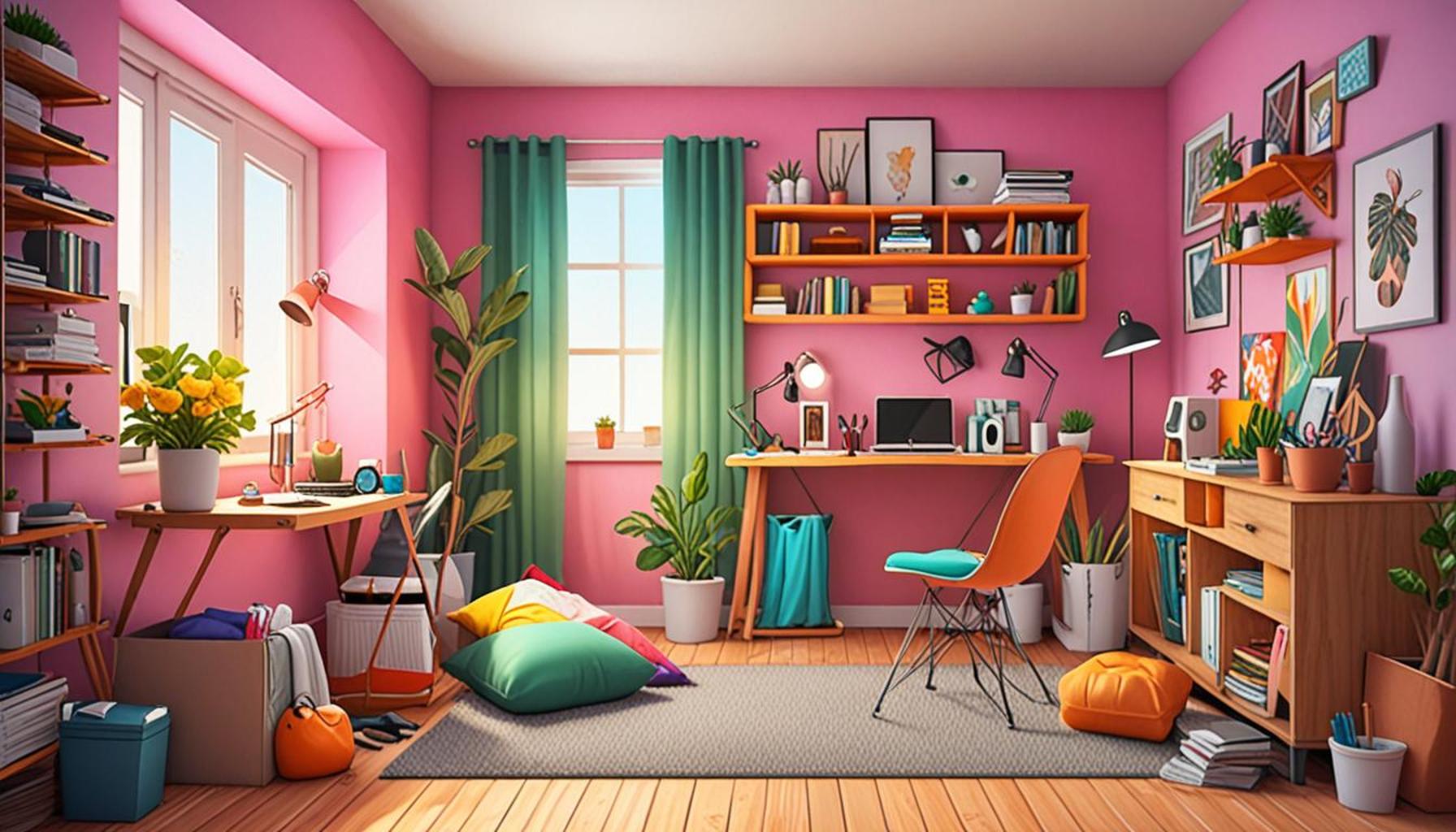
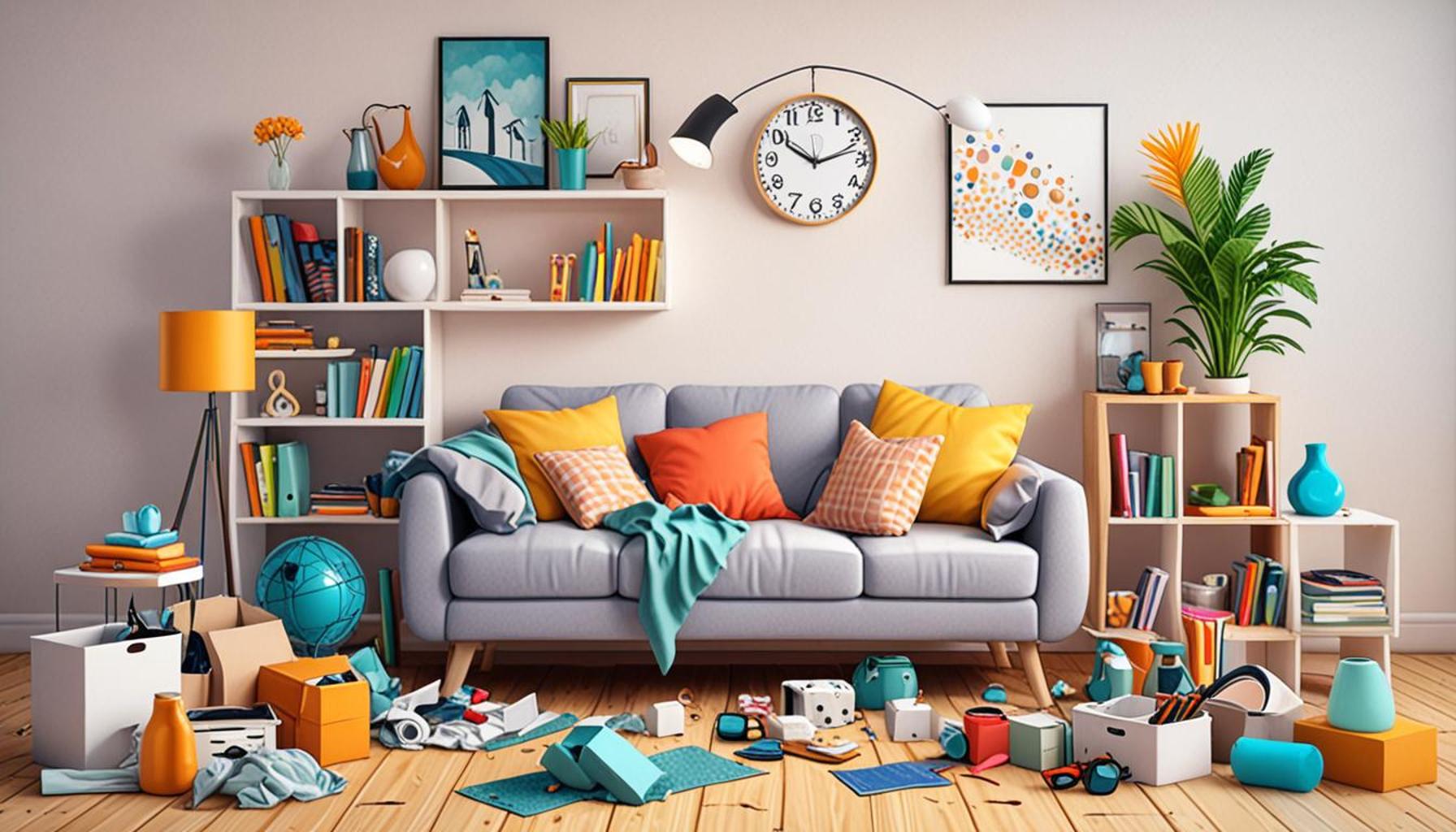
In today’s fast-paced world, the concept of minimalism has emerged as a powerful antidote to cluttered living. As more people seek to simplify their lives, decluttering strategies have gained traction, particularly for those navigating the challenges of small spaces. Effectively managing limited square footage not only enhances functionality but also elevates style, creating a harmonious living environment.
Small homes and apartments often pose unique difficulties regarding organization and appearance. Yet, by employing intentional decluttering techniques, anyone can transform their space into a sanctuary of efficiency and aesthetic appeal. This article will explore the importance of decluttering within the minimalist movement, offering readers a clear path to maximizing their space’s potential.
Get ready to discover our curated list of the Top 5 Decluttering Strategies that will redefine your approach to small living. Each strategy is designed to inspire you to embrace a minimalistic lifestyle while ensuring your space remains both functional and stylish.
Top 5 Strategies for Decluttering Small Spaces: Maximizing Functionality and Style
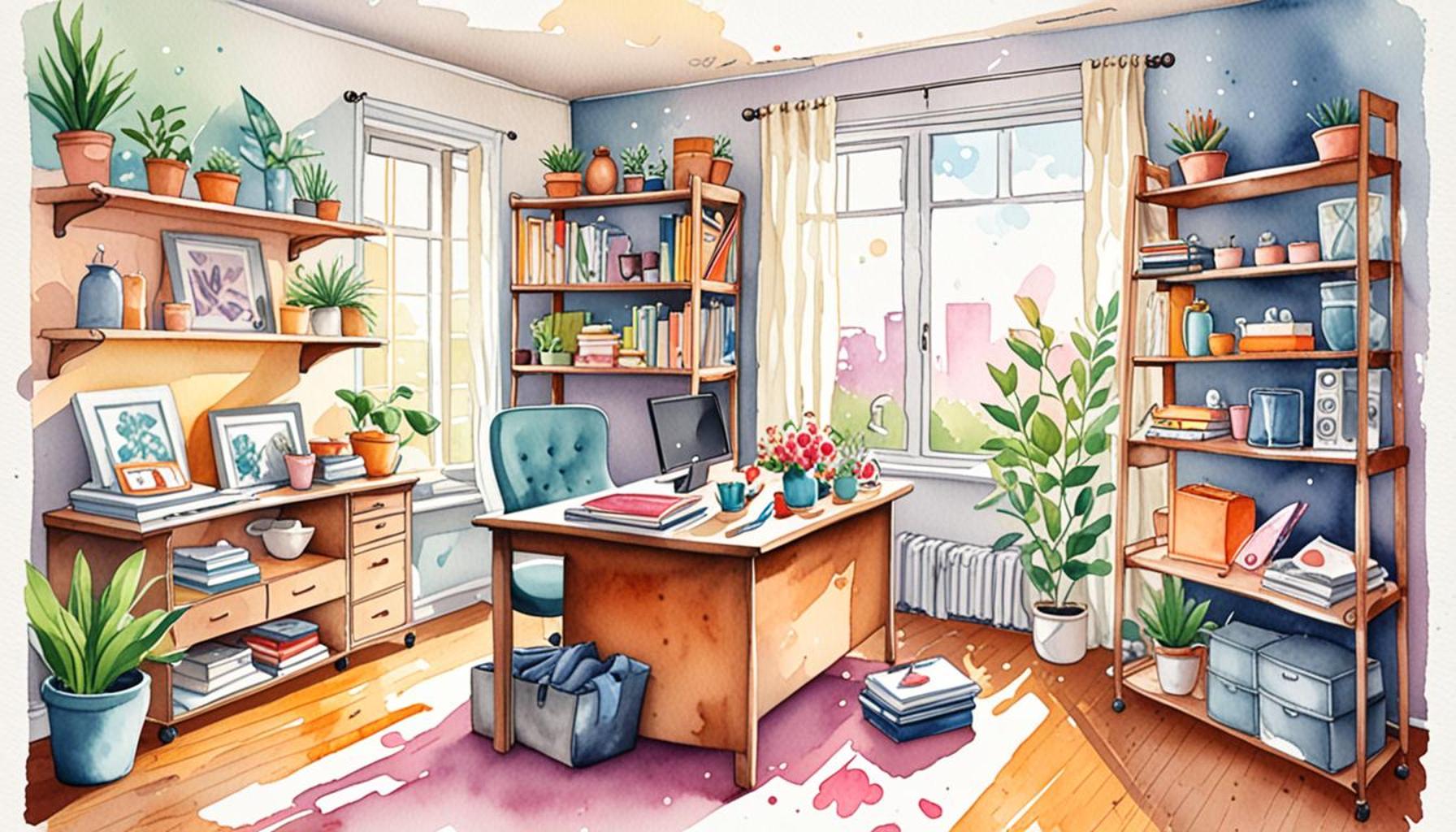
Living in a small space presents a unique set of challenges, primarily centered around the duel goals of functionality and style. Yet, for many, what initially feels like a constraint can become a creative opportunity. With the right decluttering strategies, one can transform any compact living area into an organized oasis that exudes elegance and efficiency. Let’s explore the top five strategies to achieve an organized, stylish, and functional living environment, from our fifth entry to the most effective method.
5. Embrace Multi-Functional Furniture
In tiny homes, space is at a premium, making multi-functional furniture a game-changer. Such pieces blend utility with aesthetic appeal, minimizing clutter while maximizing utility. Consider these options:
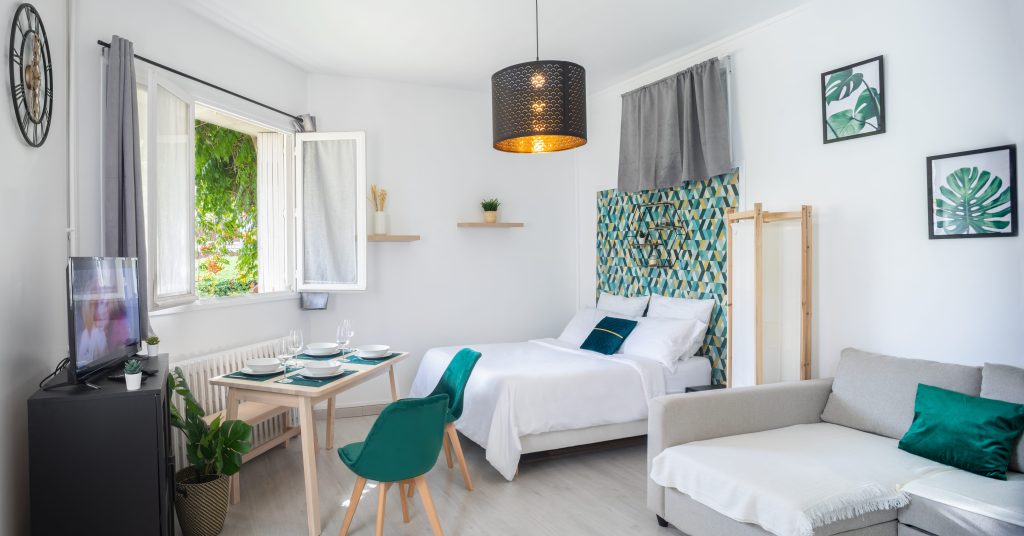
- Sofa beds: These provide a dual purpose, serving as comfortable seating during the day and transforming into a bed at night to accommodate guests.
- Coffee tables with storage: These tables often feature hidden compartments perfect for stashing away magazines, books, or throws, maintaining a neat appearance.
- Ottomans that double as storage units: They offer a secret storage area while doubling as extra seating, creating more flexibility in usage.
Introducing multi-functional furniture into your home is not just about saving space; it’s about infusing your living environment with a modern, streamlined appearance that embraces both chicness and practicality.
4. Use Vertical Space Creatively
When floor space is limited, the walls provide untold potential for utilizing vertical space creatively. Many people forget the power of verticality, often leaving walls underutilized. Here are some ways to make the most of your vertical space:
- Floating shelves: These shelves help create the illusion of depth and can be used for both storage and display, adding personality to the space.
- Wall-mounted organizers: Strategically placing these in kitchens or bathrooms can keep everyday items within easy reach while freeing up horizontal surfaces.
- Vertical garden installations: These allow for greenery integration, add freshness to your environment, and serve as a beautiful focal point on any blank wall.
Transform your walls into functional elements of your home, keeping your floor space open, inviting, and maintaining an overall sense of order.
3. Implement a Minimalist Approach to Decor
Minimalism can significantly impact how a small space is perceived and experienced. This approach urges you to embrace quality over quantity, leading to both visual appeal and serenity. Here are some minimalist strategies:
- Limit your decor items: By focusing on a few significant pieces, your space becomes less cluttered and more expressive of personal style.
- Focus on quality over quantity: Investing in durable, high-quality pieces can add lasting elegance with a touch of luxury.
- Use a cohesive color palette: Selecting two or three colors for your decor creates a uniform, flowing appearance throughout your home.
By paring down to essentials that carry both utility and beauty, minimalism turns your small space into a peaceful haven that revels in simplicity and order.
2. Declutter Regularly and Frequently
The backbone of maintaining a serene, organized space is routine. Regular decluttering is crucial to preventing unnecessary accumulation. Establishing a schedule is essential to sustained organization:
- Weekly quick cleans: Setting aside 15 minutes each week to tidy up can prevent minor messes from becoming overwhelming.
- Monthly deep dives: Allocating time each month to assess each room ensures that you know exactly what’s worth keeping, donating, or discarding.
- Seasonal overhauls: Evaluating belongings at the change of each season keeps your home aligned with your lifestyle and current needs.
The more frequent and consistent your decluttering efforts, the more intuitive the process becomes, leading to a perpetually organized and stress-free home environment.
1. Adopt the “One In, One Out” Rule
Standing at the pinnacle of decluttering strategies, the “One In, One Out” rule is remarkably effective. It ensures that for every item you bring in, one must go out, thereby maintaining your current space and avoiding clutter. The benefits of this approach are numerous:
- Prevents accumulation: This method serves as a preventive strike against clutter, keeping belongings manageable.
- Encourages thoughtful purchases: With every new acquisition, you’ll contemplate its worth, curbing impulsive buying habits.
- Enhances emotional connection: By regularly assessing your belongings, you ensure your environment reflects who you are and what’s important, fostering emotional well-being.
By adopting this rule, you maintain an intentional living space that’s stylish and functional, ensuring your home only contains what you value most.
In conclusion, these strategies form a comprehensive approach to optimizing small spaces. By consciously integrating them into daily life, one can create a refined living area that speaks to one’s identity while accommodating practical needs. Whether it’s through creating routine or selecting furnishings with purpose, these strategies offer an ideal balance of utility and aesthetics. They empower individuals to carve out a serene nook of functionality and beauty, even in the tightest of quarters.
| Category | Description |
|---|---|
| Multi-functional Furniture | Using furniture that serves multiple purposes like sofas that convert to beds or ottomans with storage can greatly enhance both functionality and style. |
| Vertical Space Utilization | Implementing shelves and hooks on walls allows for maximizing space without cluttering the floor, showcasing both artful decor and practical storage. |
| Decluttering Rituals | Establishing regular decluttering sessions can help maintain a tidy environment by ensuring that items are only kept if they are truly needed, leading to a more serene living space. |
| Use of Light Colors | Incorporating light colors in your decor can create the illusion of a larger space, making small areas feel airy and open while adding a touch of sophistication. |
When it comes to effectively decluttering small spaces, the right strategies can unlock both space and style. The use of multi-functional furniture significantly decreases clutter while enhancing the utility of each piece. For example, a coffee table that doubles as a storage unit can store magazines or blankets, optimizing both space utilization and decor.Another vital strategy is the effective use of vertical space. Utilizing shelves and hooks allows items to be displayed or stored effectively, which keeps the floor clear and can serve as a chic display of personal style. This approach also helps to maintain easy access to essentials.Establishing decluttering rituals is essential for maintaining a space that feels relaxed and welcoming. Regularly assessing which items remain necessary fosters a tranquil living environment and prevents accumulation. This practice not only enhances functionality but also injects fresh energy into the space.Finally, leveraging the power of light colors in your interior design can create an illusion of spaciousness, making rooms appear larger. Light palettes reflect more natural light, contributing to an open and inviting atmosphere. Such decor choices highlight your personal style while enhancing the functionality of your space.
FAQs on Decluttering Strategies for Small Spaces: Maximizing Functionality and Style
What is the best way to start decluttering a small space?
Begin by evaluating your current space and identifying areas that feel cluttered or overwhelming. It’s helpful to take it one room at a time, focusing on smaller tasks such as a single drawer or shelf. A technique often recommended is the four-box method, where each item is sorted into one of four categories: keep, donate, discard, or relocate. This approach provides a structured way to make decisions on each item and can be less daunting than trying to tackle everything at once.
How can decluttering help in maximizing space?
Decluttering reduces the number of items you have, freeing up physical space and making areas more functional. By getting rid of unnecessary items, you can create a more open and organized environment, which can make even the smallest spaces feel larger and more inviting. Additionally, strategically placing furniture and using multi-purpose pieces can further enhance space optimization.
Are there specific strategies for dealing with sentimental items?
Sentimental items can be the toughest to part with. A common strategy is to evaluate the emotional value of each item versus its practical use. Consider keeping only those that hold the most meaning and finding ways to display or use them, rather than keeping them stored and forgotten. Documenting items with photographs before letting them go can also help preserve memories without clutter.
What are some effective storage solutions for small spaces?
Utilizing vertical space is key in small areas. Wall-mounted shelves, cabinets, and hooks can provide storage without taking up floor space. Furniture with built-in storage, such as ottomans or beds with drawers, helps to minimize clutter. Clear or labeled containers can keep similar items together and make it easier to find what you need, adding both order and efficiency to small spaces.
How often should decluttering be done to maintain a clutter-free environment?
Regularly reviewing your possessions helps maintain a clutter-free space. Conducting a seasonal decluttering is often advisable, as it coincides with natural shifts in wardrobe and gear usage, like winter coats or beach accessories. However, establishing a routine, such as a monthly or quarterly review, can proactively prevent clutter buildup and ensure you maintain the functionality and style of your space.
Conclusion: Embracing Minimalism and Maximizing Space
The journey of decluttering small spaces is a rewarding venture that merges practicality with aesthetic appeal. By adopting smart strategies, one can transform a cramped area into a functional, stylish oasis. Throughout the article, we explored the top five strategies that stand out in achieving this transformation.
Firstly, the power of multifunctional furniture cannot be overstated. These versatile pieces serve multiple purposes, allowing residents to make the most of limited areas. Secondly, the use of vertical storage solutions highlights the importance of utilizing every inch of space, keeping items organized without cluttering the floor. Thirdly, clear-out routines encourage regular assessment and removal of unnecessary items, fostering an environment of simplicity.
Furthermore, the strategy of zoning effectively divides small spaces into functional areas without physical barriers, enhancing both usability and visual flow. Finally, embracing a neutral color palette can open up a room, creating an illusion of spaciousness and promoting a calm ambiance.
The importance of decluttering in the context of minimalism and personal organization cannot be overstated. It’s not just about aesthetics but also about improving mental well-being by reducing chaos in one’s surroundings. By tackling clutter, individuals can focus on what truly matters, paving the way for a more mindful lifestyle.
As we’ve outlined, implementing these strategies can significantly enhance how small spaces are experienced. For readers intrigued by the possibilities beyond clutter, embracing minimalism and organization offers a pathway to a more balanced and purposeful living. These are not just tactics but invitations to embark on continuous discovery and personal growth. By delving deeper into these concepts, the potential for further innovation and improvement in lifestyle awaits.