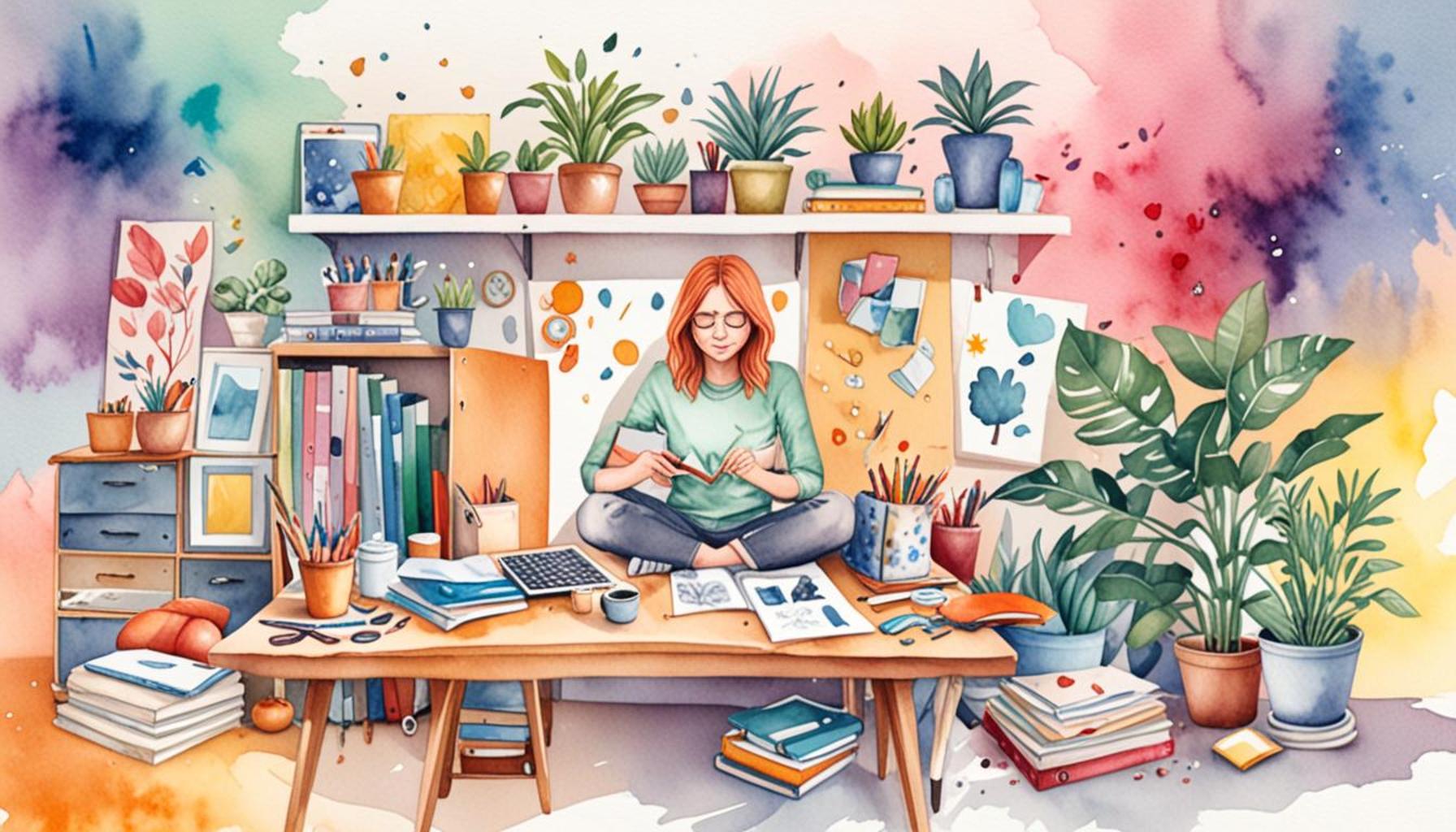
The Art of Letting Go: How Decluttering Transforms Spaces and Minds
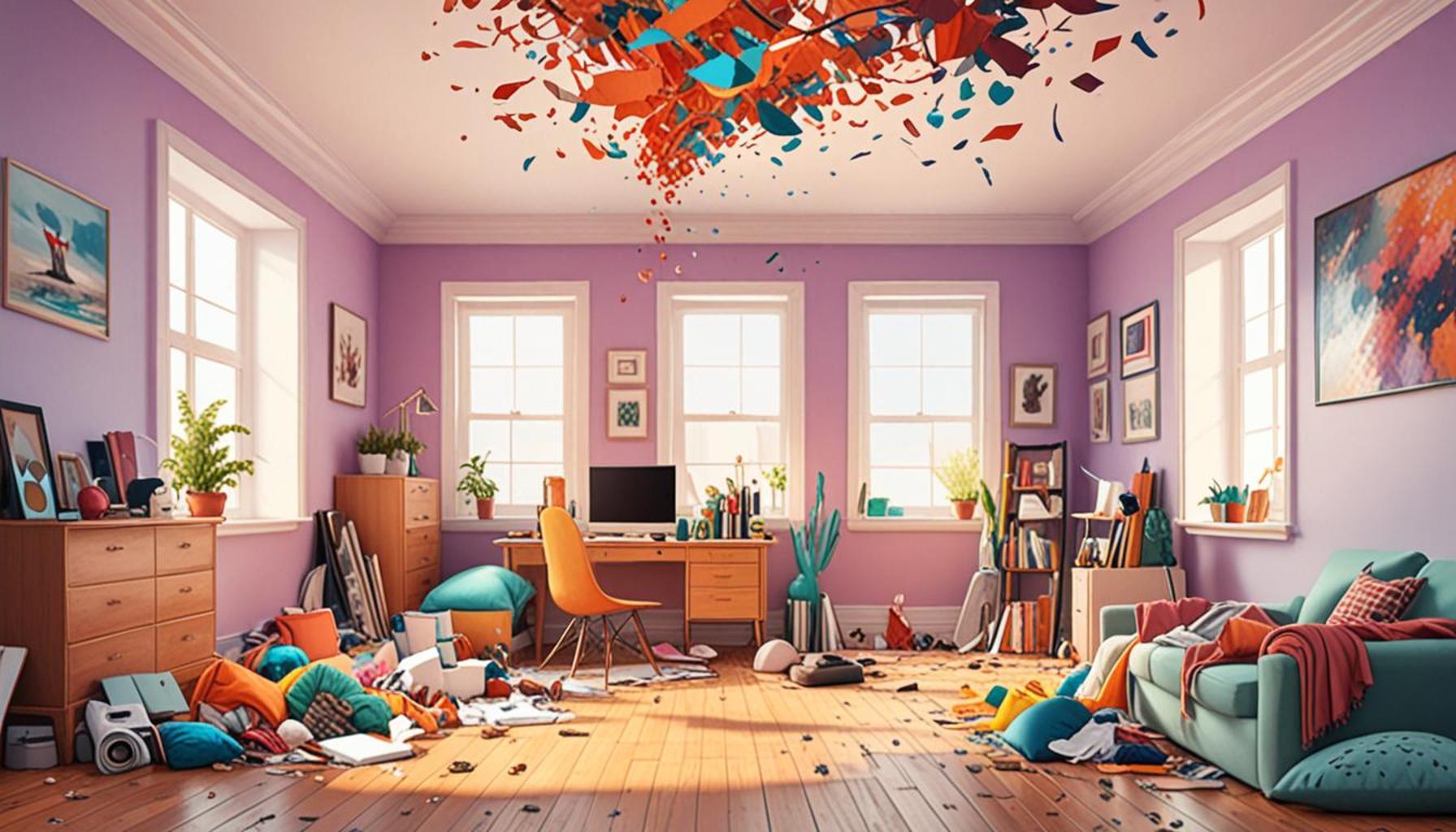
Transforming Your Space and State of Mind
In a world overflowing with possessions, the concept of letting go can be both liberating and transformative. Decluttering isn’t just about tidying up; it’s a fundamental shift in how we interact with our environments and ourselves. When we release what no longer serves us, we create space for clarity and purpose.
What Does Decluttering Offer?
- Physical Space: A clean environment fosters productivity and creativity. Research indicates that a cluttered environment can lead to increased stress and reduced ability to focus. Removing unnecessary objects can consequently enhance our ability to concentrate on tasks at hand. For instance, individuals working from home may find that a tidy workspace dramatically improves their overall productivity.
- Mental Clarity: Reducing visual distractions can enhance focus and reduce stress. Studies show that minimizing physical clutter in our surroundings allows our brains to operate more efficiently. For those who often feel overwhelmed or scattered, a simple decluttering of a desk or an entire room can create mental space, leading to clearer thinking and improved decision-making.
- Emotional Freedom: Letting go of unnecessary items can signify a release of emotional burdens. Holding onto possessions often ties us to past memories or lost relationships. By decluttering, we can free ourselves emotionally, paving the way for new experiences and healthier attachments. For example, donating clothes that no longer fit or serve us can be a powerful step in moving on from a chapter in our lives.
As Americans, we often find ourselves caught in consumer culture, where accumulation is normalized. Retail psychology promotes the idea that happiness comes from possessing more items, but studies show that minimalism can lead to a more fulfilling life. Embracing a minimalist lifestyle often provides greater satisfaction, as it emphasizes quality over quantity. The power of decluttering extends beyond the tangible; it affects our mindset and emotional well-being, encouraging a focus on what truly matters.
Why Now?
- The rise of Marie Kondo’s method has sparked a nationwide conversation about tidying. Her philosophy of keeping only those items that “spark joy” has resonated with millions, pushing individuals to rethink their attachment to belongings.
- People are increasingly seeking strategies for improved mental health amid chaotic lifestyles. In a society where rapid change and information overload are the norms, decluttering presents a viable method for regaining control and enhancing emotional resilience.
- Seasonal changes can signal the perfect time for a refreshing declutter. As the seasons shift, many find motivation to refresh their spaces—spring cleaning or preparing for the cozy embrace of fall can serve as perfect opportunities to start anew.
Join us as we explore the art of letting go and its profound ability to transform both your spaces and your mind. Discover the techniques, benefits, and inspiration that awaits on this enlightening journey. By embracing decluttering, you pave the way not only for a more organized home but also for a profound change in how you see yourself and your path in life. In a fast-paced world, creating a serene and mindful environment could be one of the keys to unlocking your true potential.
DISCOVER MORE: Click here to enhance your daily routine
The Transformative Power of Decluttering
Embarking on a decluttering journey often begins with a single realization: the physical space we inhabit has a profound impact on our mental and emotional state. The process of letting go is not only a cleansing of our environment but also a journey towards greater personal insight. As we navigate through our belongings, we uncover layers of attachment, habits, and beliefs that shape our lives.

Understanding the Psychological Impact
- Attachment Theory: The emotional connections we form with our belongings can be traced back to psychological principles, particularly attachment theory. Items often serve as reminders of significant events or relationships, creating an emotional landscape filled with memories. Recognizing these attachments can help in identifying which items truly bring joy or comfort and which simply weigh us down.
- Decision Fatigue: Living among clutter can lead to overstimulation, resulting in decision fatigue—a condition where our ability to make choices diminishes over time. The challenge of navigating through numerous objects each day can sap our mental energy, leading to procrastination and anxiety. Decluttering reduces the number of decisions we face daily, allowing for clearer thinking and healthier choices.
- Increased Mindfulness: Engaging in the process of decluttering encourages a sense of mindfulness. It’s a chance to reflect on what we value and make conscious choices about what we wish to keep in our lives. By intentionally deciding what to keep and what to release, we cultivate a greater awareness of our consumption and its impact on our well-being.
While each person’s decluttering journey is unique, the benefits often have a universal appeal. Many individuals report feeling lighter and more energized after letting go of stagnant belongings. For instance, a common anecdote among those experienced in decluttering is the sudden urge to take on new projects or hobbies once extraneous items are removed from their space. This renewed motivation stems not just from a cleaner environment but from a psychological shift that opens up new possibilities.
The Social Aspect of Decluttering
As decluttering gains momentum in popular culture, community-driven decluttering initiatives have emerged across the country. Neighborhood swap events and donation drives encourage community engagement while promoting a more sustainable approach to excess possessions. This trend not only fosters a sense of shared responsibility but also strengthens social connections, allowing individuals to come together for a common cause: reducing waste and enhancing personal well-being.
Moreover, individuals are increasingly sharing their decluttering journeys online, inspiring a wider audience to join the movement. Social media platforms overflow with before-and-after photos, tips, and personal narratives about the joy of simplifying life. These stories reinforce the idea that the art of letting go is both personal and communal, fostering a positive dialogue around minimalism and intentional living.
As we delve deeper into the art of letting go, it becomes evident that decluttering transcends mere organization. It leads to physical, emotional, and communal transformations that can redefine how we view ourselves and our world. With each item we release, we not only create space in our homes but also in our minds, allowing for growth and renewal.
The Transformative Power of Decluttering
Decluttering is not just about removing physical items from your space; it’s about creating a harmonious environment that significantly impacts your mental well-being. One of the most compelling aspects of the decluttering process is how it encourages individuals to reassess their own lives and priorities. By letting go of items that no longer serve a purpose, you can focus on what truly matters, fostering a sense of clarity and purpose. Moreover, the act of decluttering can release stress and anxiety, which often accumulate in our cluttered spaces. The psychological benefits associated with decluttering include heightened creativity, improved focus, and a sense of accomplishment. Studies have shown that organized environments can lead to better productivity levels, making decluttering a powerful tool in both personal and professional settings.In practical terms, decluttering creates more than just physical space. It opens up opportunities for better organization, allowing for easier access to the things you truly need. This newfound organization can lead to more efficient workflows and a more enjoyable living space. As you embark on this journey, not only will your surroundings transform, but so will your perspective on what you value in your life.
Emotional Release and Discovering Values
The emotional aspect of decluttering often surprises many. As items are removed, individuals often experience a sense of liberation. This emotional release comes from confronting memories attached to physical objects, allowing individuals to find closure or rekindle joy. It’s not uncommon for individuals to rediscover their core values during this process, challenging notions of consumerism and fostering gratitude for what they currently have. This journey of letting go can serve as a catalyst for personal growth, engaging with deeper introspection about needs versus wants. It represents an invitation to prioritize well-being over material possessions, propelling a richer, more fulfilling lifestyle forward. The intersection of physical decluttering and mental clarity underscores the essence of “The Art of Letting Go,” encouraging each participant to embrace balance in their lives. The interplay of space and mind demonstrates that intelligent minimalism can lead to profound life changes, encouraging a dynamic where people flourish in simplicity and mindfulness.
DIVE DEEPER: Click here to discover the principles of intentional minimalist living
Creating Physical and Emotional Space
The act of decluttering goes beyond tidying up; it’s a profound way to create both physical and emotional space. Each item we choose to keep or discard carries emotional weight, making the decision-making process an intimate one. Grasping this concept can take the journey from mere organization to a therapeutic experience. As we create more room in our homes, we simultaneously carve out space in our minds, resulting in improved mental clarity.
Minimalism as a Lifesaver
Many have adopted minimalism as a lifestyle choice, embracing the philosophy of “less is more.” According to a 2021 survey by the American Psychological Association, 77% of Americans report feeling overwhelmed by clutter, suggesting a national struggle with accumulating possessions. Minimalism presents an appealing solution—by focusing on experiences rather than material goods, individuals often report higher levels of happiness and reduced anxiety.
One striking example includes the rise of tiny house living, where individuals downsize dramatically to live more simply. For many, the process of moving into a tiny house often acts as a catalyst for redefining priorities. These homes, often less than 400 square feet, force occupants to evaluate what they truly need. This can lead to a more profound transformation of not only living situations but also mindsets. A striking characteristic of tiny living is the way it cultivates gratitude for the essentials, fostering a more mindful approach to consumption.
The Economic Impact of Letting Go
Decluttering does not merely serve personal well-being; it can also bear significant economic benefits. The resell value of items—whether through yard sales, online marketplaces like Facebook Marketplace, or platforms such as Poshmark and eBay—can lead to unexpected financial gains. A recent study by OfferUp found that over 60% of American households admit to having at least $1,000 in unwanted items sitting unused in their homes. By reselling these goods, individuals can generate additional income, making decluttering an economically savvy activity.
Environmental Benefits
Beyond psychological and financial incentives, decluttering offers strong environmental advantages. The process encourages responsible consumption by promoting the idea of reusing and recycling items. When we choose to donate or sell instead of throwing away, we contribute to sustainability efforts. In 2023, it was reported that the average American household throws away approximately 4.4 pounds of waste per day. By engaging in decluttering, we can directly impact waste production, thereby lowering individual carbon footprints and fostering more ecological awareness.
Start Small, Dream Big
For those intimidated by the daunting task of decluttering, it’s important to remember that transformation occurs with small, manageable steps. The “one-in, one-out” rule can serve as a guiding principle: when you acquire something new, you commit to letting go of something old. This keeps spaces less cluttered and encourages a thoughtful approach to possession. Whether it’s dedicating just ten minutes a day to organize a drawer or tackling a single room each weekend, gradual progress leads to monumental change. Each step taken is a victory, cultivating a sense of achievement and reinforcing positive habits.
Ultimately, the art of letting go is a multifaceted journey affecting not just personal spaces but the broader world. With committed efforts, individuals can discover profound transformations awaiting them through this powerful act of decluttering.
DIVE DEEPER: Click here to uncover the art of intentional minimalist living
Finding Freedom in Letting Go
In conclusion, the art of letting go is a transformative journey that not only reshapes our physical spaces but also uplifts our mental well-being. By engaging in decluttering, we discover the profound impact of creating an environment that reflects our true selves. Embracing minimalism serves as an answer to the overwhelming clutter that many Americans face, leading to enhanced happiness and fulfillment. Living simply—exemplified by trends such as tiny house living—not only encourages gratitude but also prompts a shift in priorities towards experiences over material possessions.
Furthermore, the economic benefits associated with decluttering cannot be ignored. The potential to monetize unused items encourages responsible consumerism while simultaneously boosting finances. As we sell or donate these goods rather than discarding them, we contribute to a more sustainable future, significantly reducing waste and promoting environmental awareness.
For those feeling daunted by the task of decluttering, starting small is key. The “one-in, one-out” principle and dedicating just a few minutes a day can foster a habit of mindful consumption and continuous improvement. Each small victory not only cultivates a sense of achievement but reinforces the importance of living intentionally.
As we stand at the intersection of physical and emotional space, the journey of letting go offers countless possibilities for personal growth. With every item released, we inch closer to a life characterized by clarity, purpose, and serenity. Embrace the art of letting go and unlock the potential for transformation—both within your homes and within yourselves.